Thanks to its combination of farmland and a forward-looking culinary scene, California offers fertile ground for the Slow Food movement—and it’s easy to see and taste the movement up close.
What Is Slow Food?
Slow Food is the international movement that promotes food that tastes good, is produced in ways that protect the environment, and provides fair conditions for the people who grow, raise, and make it. It also works to preserve local food traditions and biodiversity, from heirloom crops to traditional food-production methods.
Visitors to California can immerse themselves in the Slow Foods movement by touring working farms, shopping for locally grown products, dining at restaurants that build relationships with nearby producers, and attending festivals that celebrate regional agriculture and traditional foodways.
Experiencing Slow Food at the Terra Madre Festival
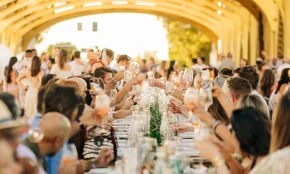
Sacramento offers a particularly good introduction to the movement as the North American home of Terra Madre Americas, which happens every other year. This three-day event (which will return in 2027) brings together farmers, fishers, Indigenous communities, cooks, food producers, and activists from across the Americas to share food, ideas, and traditional knowledge. Its focus offers a useful lens for exploring California's broader food culture—from the farms that grow its seasonal ingredients to the restaurants and communities that put them on the plate.
Where to Find Slow Food Restaurants Across California
Looking for a place to eat that embraces Slow Food values? Start with your local Slow Food chapter, which highlights local restaurants and producers. Another useful marker is the "Snail of Approval," a recognition of local Slow Food chapters awarded to restaurants, farms, cafés, and other food businesses that demonstrate the principles of the Slow Food movement.
Estero Café, Valley Ford
Owners Samantha and Ryan Ramey built this roadside café around the idea that food tastes better when it hasn't traveled far. The menu typically includes eggs, meat, cheese, and vegetables from 10 or more producers in Sonoma and Marin Counties, such as Stemple Creek Ranch, Valley Ford Creamery, and Red Bird Bakery—even the specials change based on what's locally available.
Fox Point Farm, Encinitas
The connection between farm and table is almost impossible to miss at this regenerative farm, which anchors the food-focused community with Haven Farm + Table, a market and café, a taco stand, seasonal pizza, and an on-site brewery. At The Bakehouse, head pastry chef Sierra Weigel harvests herbs, fruits, and vegetables for small-batch pastries and hand-crafted sandwiches.
Diavolo Pizzeria & Salumeria, Geyserville
This Italian restaurant and sulumeria puts Sonoma County ingredients into pizzas, pastas, and house-made cured meats. It's also a Snail of Approval restaurant, making it an easy stop for travelers exploring wine country.
Heirloom, Fresno
In the lush Central Valley, this casual restaurant takes a farm-to-table approach without the white-tablecloth price tag. Its "slow food fast" concept makes local, seasonal cooking accessible to travelers passing through Fresno.
Bell's Restaurant, Los Alamos
This Michelin-starred restaurant combines French technique with ingredients from the Santa Barbara and Santa Ynez Valley region. With a menu that changes daily, you can enjoy something new every time you visit.
The Midway, Santa Cruz
From what started as a farmers market pop-up, Chef-owner Katherine Stern builds the menu at this Santa Cruz restaurant around hyper-seasonal ingredients, with roughly 95% of the restaurant's ingredients sourced from the Monterey Bay area and Central California.
Farmhouse at Roger's Gardens, Newport Beach
Chef Rich Mead cultivates relationships with local growers and purveyors, allowing him to fill this restaurant's menu with the freshest seasonal ingredients that make their way into dishes and craft cocktails.
Where to Visit Slow Food Farms in California
Many farms open their doors to visitors, offering a behind-the-scenes look at how food is grown and produced. After a tour, you can often pick up fresh produce, preserves, honey, or other farm-made products to take home.
Twin Peaks Orchard, Placer County
Fourth-generation farmer Camelia Enriquez grows more than 50 varieties of peaches, along with nectarines, apricots, plums, heirloom melons, and vegetables at this farm located in an area once known as the "Fruit Basket of America." Look for seasonal farm visits and opportunities to take the harvest home from their on-site farmstand.
Full Belly Farm, Yolo County
This 400-acre farm grows certified-organic fruits, vegetables, nuts, and flowers and also raises animals and sells directly to consumers through its CSA program. For an especially delicious lesson in seasonal eating, attend a monthly farm dinner featuring a farmer-led tour followed by a meal showcasing what's growing in the fields.
Marquita Farm, Santa Cruz County
This small family farm grows heirloom and specialty vegetables, herbs, fruit, and flowers on a biodiverse 20-acre property. Visit the farm for its annual marigold u-pick or find its seasonal produce at local farmers’ markets.
Harley Farms Goat Dairy, San Mateo County
Whether you go on a farm tour or stop by to peek at the goats and purchase award-winning cheese, a visit to this farm in the quaint town of Pescadero is a must. Their popular farm dinners are held in the historic hay loft and include locally grown produce and a welcoming cheese reception.
Apricot Lane Farms, Ventura County
Made famous by The Biggest Little Farm documentary, this 234-acre certified-organic and biodynamic farm grows more than 200 varieties of fruits and vegetables, as well as raises livestock. Seasonal tours offer a look at its regenerative approach, with produce and other farm goods available through its markets and online.
Temecula Olive Oil Company, Riverside County
For something different, tour an olive grove and learn how olives go from tree to bottle and then end with a tasting of the various products made on-site. You can also visit their tasting room in Old Town Temecula to taste and purchase extra virgin olive oils and small-batch balsamicos.
Make Food Part of the Community
Slow Food isn't only about what ends up on the plate. In Sacramento, Soil Born Farms operates urban organic farms while teaching children and adults to grow and cook food. Its Harvest Sacramento program even organizes neighborhood harvest groups to gather surplus fruit and vegetables from backyards and small orchards to donate to local food-assistance agencies. Visitors can support the organization by purchasing local produce and goods through its farmstand and mercantile.
In San Luis Obispo, City Farm SLO leases land to small independent farmers and uses its own acreage for regenerative agriculture and youth education. Its pay-what-you-can farmstand sells produce grown on the farm, keeping fresh food accessible to all.
And in Santa Cruz, the Homeless Garden Project connects organic farming with job training for people experiencing homelessness. Its CSA helps fund transitional employment while growing food for the community, with more than half of its shares going to food-insecure neighbors at no cost. Shops in Santa Cruz and Capitola Village offer products that support this organization's efforts.
Keep California's Food Traditions Alive
Another important part of Slow Food is protecting foods strongly connected to a particular place before they disappear. Slow Food does this through its Presidia program, which supports small-scale producers who are keeping traditional foods and crops alive. Sonoma County is home to two such presidia: the Bodega Red Potato and the Gravenstein Apple. By supporting the farmers who continue to grow these foods, the program helps keep both the crops and traditions surrounding them part of California's food culture.
From heirloom crops and seasonal menus to community gardens and local food projects, California's Slow Food movement is as diverse as the state itself. What ties it together is a simple idea: Food is better when we know where it comes from.