Some of the businesses featured in this video may now be closed—either temporarily or permanently. Check the links below for the latest information.
A road trip on historic Highway 49 doesn’t simply take you from point A to point B—it also transports you to the past. Stretching nearly 300 miles through the heart of the Sierra Nevada foothills, this Gold Rush-era thoroughfare—not entirely covered on this road trip—winds past former boomtowns where the echoes of 1849 still linger in weathered brick storefronts and clapboard saloons.
Stop 1: Old Town Auburn
Begin in Old Town Auburn with a stop at The Pour Choice, a unique combination of coffee house and craft beer taproom. If you're in town on a Saturday, make sure to stop at the Foothill Farmers' Market, held right in Old Town Auburn. Running rain or shine, year-round, the market brings together local growers and artisans selling California-certified produce, flowers, honey, baked goods, and more, often with live music adding to the morning atmosphere.
Then head to the Joss House Museum, a boardinghouse and school that served hardworking Chinese settlers during the Gold Rush. Rebuilt in 1930 after fire destroyed the original structure, the building also served as a house of worship and meeting hall for the Ling Ying Association, and today its small museum preserves artifacts and stories from Auburn's once-thriving Chinatown.
Stop 2: Coloma, Cradle of the Gold Rush
Next, cruise south 18 miles to Coloma, where the South Fork of the American River runs through Marshall Gold Discovery State Historic Park. Here at Sutter’s Mill in 1848, James Marshall spotted glittering flecks in the ground that changed the course of California’s history. Try your hand at gold panning on the river’s east bank, then stretch your legs with a hike up the monument trail past antique mining equipment. The 1.5-mile Monument Loop Trail climbs to the towering James Marshall Monument, where a statue of Marshall points toward the exact spot of his discovery and rewards hikers with sweeping views of the Coloma Valley.
MORE: Sip Wine in Gold Country
Stop 3: Placerville
Back on the road for 10 curving miles, you’ll come to Placerville—affectionately called “Old Hangtown” for its Wild West–style of justice. Well-preserved Main Street boasts the town’s oldest building, the rustic stone Fountain & Tallman Soda Works, built in 1852. Its two-foot-thick walls and underground rooms insulated the ice used for bottling soda water, which quenched the thirst of local miners. Now a museum run by the El Dorado County Historical Society, the building houses artifacts from Placerville’s colorful past, including the original Soda Works carbonation machine.
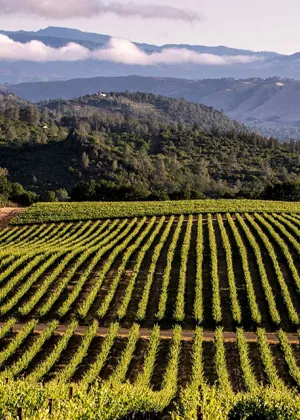
Grab lunch under the stamped-tin ceiling at The Farm Table, a charcuterie and bistro serving artisanal house-cured meats and farm-fresh produce, then meander south on State Highway 49 to the heart of Amador Wine Country. Sip Rhone varietals in the barn-style tasting room at Plymouth’s Helwig Winery, then take in the hilltop views, tour the wine caves, or attend a summer concert at the outdoor amphitheater.
MORE: Exploring Gold Country by Car
Stop 4: Sutter Creek
Afterward, plan to arrive at Sutter Creek’s elegant Hanford House Inn just in time for an evening glass of wine. Walk to downtown Sutter Creek for dinner, but keep it light—you’ll want to conserve your appetite for breakfast at Element. Best bets? The Hanford House soppressata Benedict or challah French toast with a side of caramelized bacon.