
Searching for a deeper connection to the land or simply curious about California’s wild flavors? Guided foraging experiences offer a hands-on way to explore the state’s diverse ecosystem. Led by expert naturalists, a foraging outing teaches you how to identify edible plants and fungi, harvest responsibly, and better understand the ecosystems that sustain them—all while tasting fresh and delicious foods you’ve likely never tried before.
“We're in this really interesting moment, at least in urban life, where people are feeling disconnected from their food and from each other during an era of hyper productivity and hyperconnectivity,” says Carrie Staller, the founder of Berkeley-based foraging guide company Fork in the Path. “Part of our goal at Fork in the Path is to help people feel a soul-level connection with other human beings and nature.”
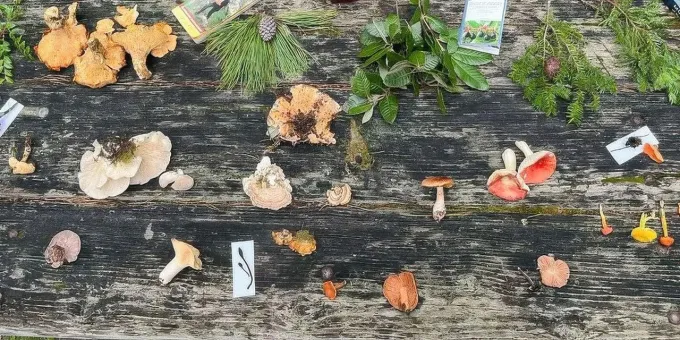
What to Expect During a Guided Foraging Experience
Fork in the Path’s classes, which range from three to six hours in length, aim to introduce participants to skills they can later use to forage on their own.
Sessions often start with icebreakers that orient students to unfamiliar terrain and engage their minds. “We want to get them into their bodies, into their feet, and into their senses so they can have the optimal foraging experience. So much of foraging is about using your senses,” Staller says.
The outings’ ecology lectures familiarize students with the natural history of the foods they might find, how those plants or animals feed and reproduce, and their seasonal patterns. Students are taught to better distinguish anatomical features to identify species.
The lectures also introduce proper harvesting techniques and tips for foraging safely and sustainably in different ecosystems. In tide pools, for example, it’s essential to know where to walk to avoid crushing soft-bodied creatures, such as starfish and sea anemones.
Participants spend up to three hours actively foraging before everyone comes back together to identify and share their finds. And what’s good for the soul can be mighty delicious too, as instructors use a camp stove to prepare foraged foods for sampling.
“It’s everyone's favorite part when we cook something up and taste it,” says Weems. “This is like the moment of why. Because it tastes so good and feels so nourishing. People’s faces just light up.”
Appreciating the Indigenous history of the land is another essential element, and Fork in the Path acquaints participants with the deep ancestral ties of such native cultures as the Ohlone, Kashia Pomo, Nisenan, and Miwok First People to the areas where programs take place. A portion of the proceeds from every program is donated to Indigenous-led organizations. “The only reason we are able to be on the land doing what we’re doing is because Indigenous communities tended this land for thousands of years before we got here,” she says.
What You Can Forage in California
With its diverse ecosystems—from the North Coast’s redwood forests to the foothills and high country of the Sierra Nevada—California is a place of endless foraging destinations. Native Californians have long relied on a wide variety of seasonally abundant foods, as well as year-round plants and animals. Many foraging classes draw inspiration from the harmonious, balanced relationship that Native Californians maintained with the land and encourage participants to develop a respectful approach to California’s natural world.
Coastal Forests Mushrooms
Within the state’s coastal forest ecosystems, a wide variety of edible mushrooms—morels, chanterelles, porcini, and black trumpets—thrive in damp environments fed by rain and fog drip.
Mushrooms in Sierra Nevada and Mt. Shasta
Spring and early summer are the prime times for mushroom foraging in the Sierra Nevada and around Mt. Shasta.
Acorns in Gold Country
In autumn, from the coast ranges and up into Gold Country, California’s diverse stands of oak trees can produce bounteous amounts of acorns, a staple of Native American life throughout the state.
Sea Urchins on the California Coast
The intertidal zone along California’s 840-mile-long coastline is another abundant source for nutritious wild foods. Foraging outings gather mussels and sea urchins, the creature also known as uni which is great in sushi but devastating to the state’s kelp forests. California has a long history of seaweed harvesting, with more than 600 species found along its coast. Today, foraging tours head out to sustainably harvest sought-after varieties such as nori, bladderwrack, and kombu.
Where to Try Guided Foraging in California
- Fork in the Path’s classes include coastal excursions on the Sonoma County Coast and a variety of mushroom outings, as well as acorn foraging in Berkeley, Sebastopol, and Nevada City.
- Marley Family Seaweeds leads sea foraging trips along the Central Coast in Cayucos.
- On the historic 14,000-acre Santa Margarita Ranch near Atascadero, foraging tours introduce participants to a variety of edible foods and include complimentary wine tastings at Ancient Peaks Winery.
- Catch N Cook’s coastal and mushroom foraging classes, as well as snorkeling and crabbing outings, are led by archaeologist Kevin Smith and emphasize sustainable practices. Located around Davenport, each class has a different location up and down the coast.
- Classes in and around the San Francisco Bay Area conducted by forageSF range from crabbing and foraging for mussels to walks in search of edible and medicinal plants.
Tips for How to Forage Responsibly
To get the most from foraging, especially as a beginner, you’ll want to go out with experts to learn how to do it the right way, both for your own safety and to be a responsible steward of the land.
Here are a few things to keep in mind:
- Never gather on private land without the owner’s permission.
- Obey all foraging regulations on public lands because many jurisdictions prohibit the gathering and removal of plants and animals.
- If you can’t identify it, don’t eat it—be especially careful with mushrooms.
- Use sharp knives or scissors.
- Take only what you need and don’t overharvest.
- Some foraging activities along the coast require a California fishing license; be sure to check regulations.