
Since time immemorial, the Capay Valley has been the center of life for the Yocha Dehe Wintun Nation. This scenic valley in Yolo County, northwest of Sacramento, is a rich agricultural region where the tribe today sustainably farms 3,000 acres and raises cattle on 20,000 acres. From olive oil tastings and scenic hikes to cultural storytelling, this is a place where the past and present of the Yocha Dehe Wintun are deeply connected.
“Connection to our homeland is not merely historical, it is living and guiding,” says tribal secretary Mia Durham. “That deep relationship with place—the valleys, creeks, and ridges that hold our story—remains the bedrock of our identity today.”
Yocha Dehe Wintun History: Survival and Resilience
A federally recognized tribe, the Yocha Dehe Wintun were once confined to a marginal, barren reservation established in 1907. But over time, the tribe has reclaimed some areas of its ancestral lands into surrounding areas of Yolo, Solano, Colusa, Lake, and Napa counties.
For thousands of years, the Yocha Dehe Wintun thrived in an area abundant with such wildlife as tule elk, antelope, and salmon, and where the native plants yielded acorns, wild oats, and other nutritious foods.
But with the arrival of outsiders—first, Spanish missionaries and later American gold prospectors—the ancestors of today’s Yocha Dehe Wintun endured enslavement, disease, and devastating acts of violence. By the early 1900s, only about 20 impoverished people struggled to survive in the Capay Valley.
The Yocha Dehe Wintun survived to become a prosperous sovereign nation with an expanding economic base. The 659-room Cache Creek Resort Casino is Yolo County’s largest private employer. The tribe’s thriving agricultural operations in the Capay Valley protect the land through sustainable practices. And while substantial economic growth has come, the tribe continues to revere its traditional values and has taken steps to ensure the culture’s survival.
Reviving a Dying Language
“We measure success not just in economic strength or community vitality but in our ability to restore language, revitalize traditions, and protect sacred cultural resources,” says Durham.
One notable expression of the tribe’s cultural renaissance is the revitalization of the Patwin language, which at one time was banned in Native American schools by the U.S. government.
By 1997, basket weaver and culture bearer Bertha Wright Mitchell (lovingly known as Auntie Bertha) was the only tribal member who still fluently spoke the language. Patwin was dying.
Thanks to Auntie Bertha’s knowledge and commitment, and the efforts of teacher Leland Kinter, children attending the Yocha Dehe Wintun Academy, as well as adults studying through the tribe’s cultural department, began to learn Patwin. Since then, the Yocha Dehe Wintun have published a Patwin dictionary, language website, and iTunes database with more than 800 words and phrases.
“Language recovery is more than communication,” says Durham. “It is the heartbeat of our culture. Hearing Patwin in classrooms, community programs, and daily life is a lifeline to our ancestors and a gift to our future.”
Protecting the Land Today
Translated as “home by the spring,” the Yocha Dehe name itself suggests just how central the land is to tribal identity. Today, the tribe is especially committed to environmental stewardship and the protection of cultural landscapes.
In 2011, the tribe, along with the Cortina Band of Wintun Indians, received a cultural easement (the first of its kind in California) to protect ancestral village sites within Vallejo’s Glen Cove Recreation Site overlooking Carquinez Strait.
The Yocha Dehe Wintun later played a central role in the expansion of Berryessa Snow Mountain National Monument, which added the culturally significant, 11-mile-long ridge known as Moluk Luyuk (Condor Ridge). The Yocha Dehe Wintun now acts as a co-steward of this sacred Patwin landscape.
The tribe also led the collaborative effort to prevent a housing development and establish Patwino Worrtla Kodoi Dihi Open Space Park, a 1,500-acre natural and cultural preserve.
How to Visit the Yocha Dehe Wintun Nation
Taste local products
Visit the Séka Hills tasting room and olive mill in Brooks for guided tours and to shop for an array of tribally made gourmet items, including award-winning olive oils produced from more than 500 acres of trees, wildflower honey, and seven estate wines. Guided tastings are also available at the Séka Hills tasting room in Midtown Sacramento.
“These products and practices represent more than agriculture,” says Durham. “They are expressions of our relationship with the land and our ongoing stewardship.”
Stay and play
In addition to the tribe’s culinary destinations, you can stay in luxury at the Cache Creek Casino Resort in Brooks. The contemporary tribe-owned hotel in Capay Valley is an easy escape from the San Francisco Bay Area and Sacramento.
The range of restaurants includes such upscale choices as the sushi at Enso and the certified premium black Angus cuts C2 Steak & Seafood. More than 2,300 slot machines and 80 table games, as well as concerts by leading national and international performers at the 1,375-seat events center, add to the resort’s positively top-shelf nightlife.
For pure relaxation and rejuvenation, The Spa at Cache Creek offers full-body Himalayan salt stone massages and sound bath meditation classes.
Explore the outdoors
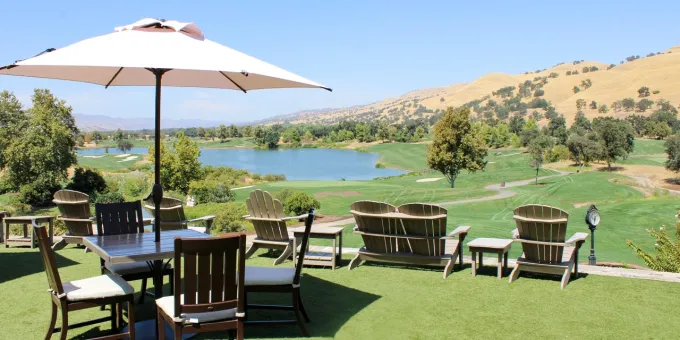
Enjoy the natural beauty and challenging layout that earned the Yocha Dehe Golf Club top-five honors in Golfweek’s list of public courses in California (check out more of Native California’s tribe-owned courses).
Hike some of the 12 miles of trails at Patwino Worrtla Kodoi Dihi Open Space Park. Many of the trails, which meander through coast live oaks and wildflowers in the spring, are named in the Patwin language.
Whether you come for the day or an overnight stay, a visit to the lands of the Yocha Dehe Wintun Nation is an opportunity to experience the world of a people proudly carrying its ancient heritage into the future.
“We hope visitors leave with a sense that they have walked on ground held sacred for generations, touched by traditions that are thriving today, and invited to share in the healing and beauty of the land,” says Durham. “This is not a relic of the past, but a living and evolving testament to resilience and belonging.”