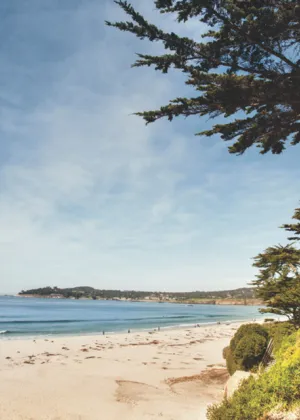
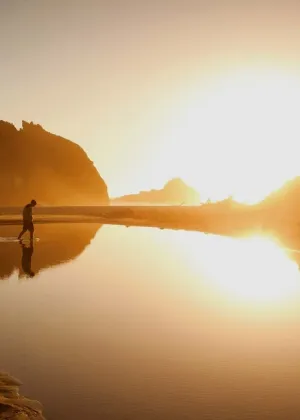
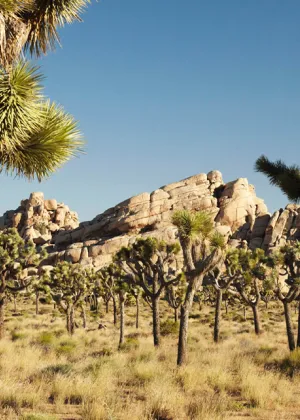
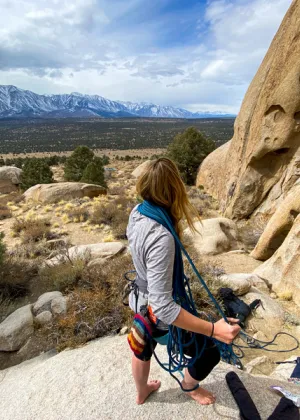
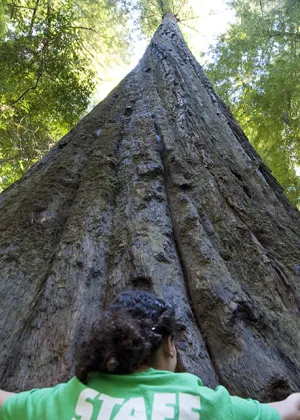
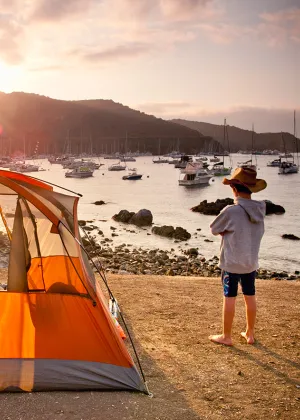
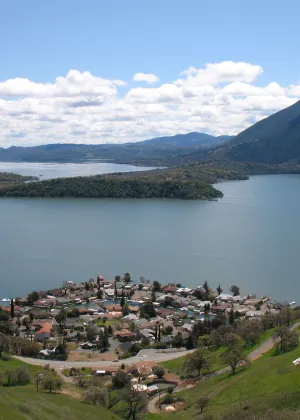
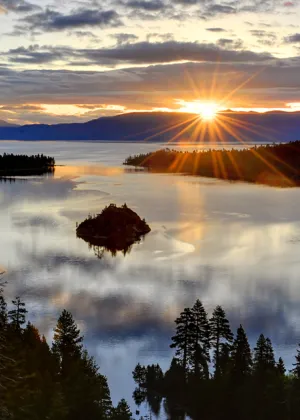
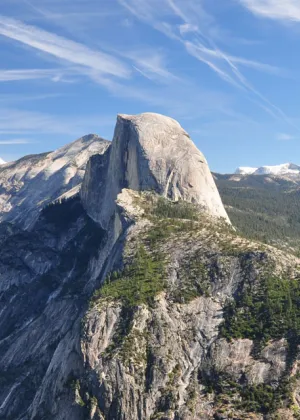
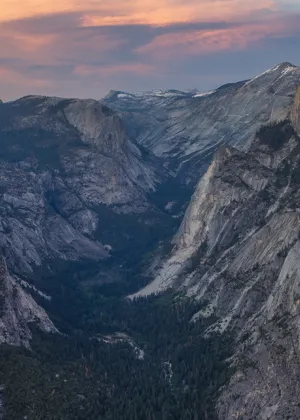
From beaches to mountains and the lowest spots on the planet, California’s great outdoors are a natural magnet for anyone who wants to hike, paddle, or bask in Mother Nature. Nine national parks call the Golden State home, including Yosemite, Death Valley, and Joshua Tree. In comparison, the 280 California state parks encompass a range of beaches, redwood-shaded parks, and ATV-friendly recreation areas.
Millions of people visit these amazing spaces each year, but that many people can put serious pressure on fragile environments. Wilderness expert John Kleinfelter, who operates Yosemite Guide Service, says, “Our overwhelming love of the outdoors sometimes clashes with our need to protect it.”
How to Leave No Trace
Fortunately, it’s incredibly easy to be a responsible outdoor recreationist. The national organization Leave No Trace distills it into seven core principles based on respect for nature and other people. These include traveling only on trails or other durable surfaces, disposing of waste properly, being considerate of other visitors, and leaving nature exactly as you found it.
Nature fans across the state are working to bolster those practices. In Big Sur, residents launched a campaign urging visitors to take the Big Sur Pledge. It’s a promise to enjoy the region’s beauty without harming it, with guidelines for respecting property, protecting natural resources, camping only where permitted, and driving safely on coastal roads.
The iconic Bixby Bridge is located at Big Sur’s northern gateway. The bridge’s graceful arch, which spans a dramatic canyon opening to the Pacific’s roiling waves, has stood since 1931. But don’t stop here—take in the beauty as you cross. For safety reasons, stopping, parking, or even excessively slowing down is strictly prohibited.
MORE: Tips for Visiting Bixby Bridge
“Instagram and social media have highlighted spots that were much less visited in the past, inspiring thousands of people to get outdoors,” Kleinfelter says. “That’s a good thing, but many newcomers don’t understand outdoor ethics.”
More Ways to Do Your Part: Speak Up and Pitch In
Be mindful as you explore and take your own pictures on foot—don’t step on fragile plants, wildflowers, or terrain while getting a photo. And don’t post on social media any images that exhibit or condone bad or even dangerous behavior, like littering, camping too close to a lake, or walking to the edge of a coastal bluff.
Kleinfelter recommends that nature lovers set a good example and speak up when necessary. “There aren’t enough rangers around to educate people and enforce rules. If you see someone picking wildflowers or disturbing wildlife, say something in a non-confrontational way. Remind them that they want to protect these beautiful places so the next person can appreciate them.”
Want to help even more? Join a trail organization or volunteer at your favorite national park or California state park—check a park’s calendar to plan a trip around clean-up events that happen throughout the year.
Visitors can also take small actions that have a big impact, like picking up litter. “Litter has no owner,” Kleinfelter says. “These parks and public lands belong to all of us, and it’s up to us to take care of them.”