
National Parks

- Summary
- Experiences
- Gallery
- Events
- Videos
- Podcasts
Whether you’re chasing waterfalls in Yosemite Valley, standing beneath the world’s tallest trees along the North Coast, or watching the sun set over Death Valley’s salt flats, California’s nine national parks (more than any other state) offer an unmatched range of landscapes—desert, alpine, volcanic, coastal, and everything in between.
While California’s national parks are scattered throughout the state, several are near enough to visit on a single trip. Yosemite, Sequoia, and Kings Canyon are close together, making it easy to explore them all during an extended getaway. Likewise, Joshua Tree and Death Valley can be paired for an adventure that checks off multiple parks from your bucket list.
Ready to start planning? Explore the resources below for more trip inspiration and a deeper look at the places and experiences that make these parks so extraordinary.
More: 8 Things You May Not Know About California’s National Parks
Northern California National Parks
Yosemite National Park
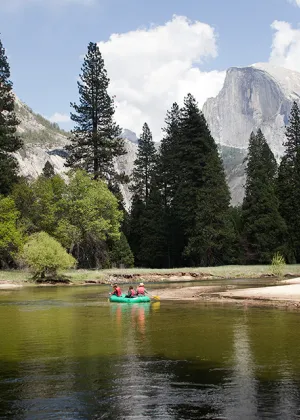
Yosemite National Park is best known for its dramatic granite cliffs, thundering waterfalls, and ancient giant sequoia groves, all packed into roughly 750,000 acres of Sierra Nevada wilderness.
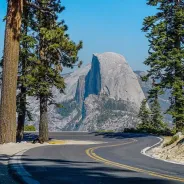
Landmarks: Yosemite Valley forms the park's heart, framed by towering formations like El Capitan, one of the world's largest granite monoliths, and Half Dome, whose sheer face and cable-assisted summit hike draw hikers from around the globe. The park is also home to some of North America's tallest waterfalls, including Yosemite Falls, along with the Mariposa Grove's massive sequoias, some over 3,000 years old. Beyond the valley, Tuolumne Meadows and the high country offer quieter alpine scenery.
Best for: An all-around “everything” national park experience: springtime waterfalls, giant granite formations, ancient sequoias, and high-country scenery
Nearby towns: From the west, Mariposa via Highway 140; from the south, Oakhurst, via Highway 41
- Plan Your Trip: Yosemite National Park
- How to Spend a Perfect Day in Tuolumne County
- Guided Adventures at Yosemite
- Yosemite's Gateway Towns
Sequoia & Kings Canyon National Parks
Sequoia & Kings Canyon National Park—two adjoining parks managed as one—is best known as home to the largest trees on Earth.
Landmarks: The star attraction is General Sherman, a colossal sequoia in the Giant Forest that stands as the single largest tree in the world (by volume), surrounded by other ancient giants estimated at more than 2,000 years old. Beyond the sequoia groves, the parks protect some of the most rugged terrain in the Sierra Nevada, including Kings Canyon, one of the deepest canyons in the country, carved by the roaring Kings River, and Mount Whitney.
Best for: Sequoias and the tallest peak in the contiguous United States (Mount Whitney)
Nearby towns: From the southeast, Three Rivers, located just outside the parks on Highway 198; the larger Visalia is 35 miles further out from the entrance.
- Plan Your Trip: Sequoia & Kings Canyon National Parks
- Adventures and Tours at Sequoia & Kings Canyon National Parks
- Getting to Sequoia & Kings Canyon National Parks
- Lodging & Camping in Sequoia & Kings Canyon
Redwood National and State Parks
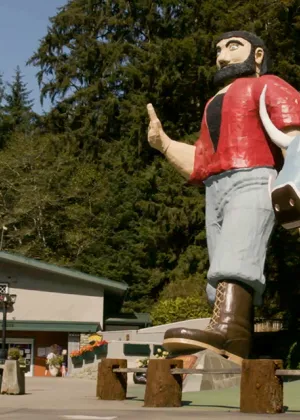
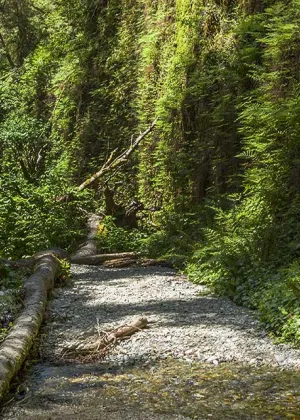
Redwood National and State Parks, a combined stretch of national and California state parkland along the far North Coast, are best known for their magnificent redwood trees. Beyond the towering forests, the park also encompasses nearly 40 miles of rugged Pacific coastline, prairie grasslands roamed by Roosevelt elk, and the free-flowing Smith River.
Landmarks: Ancient coast redwoods here soar more than 300 feet into the canopy, some of them estimated to be more than 1,000 years old. Fern-draped canyons and quiet, fog-shrouded trails through groves like Lady Bird Johnson Grove and Fern Canyon offer an immersive, almost prehistoric atmosphere, drawing hikers, photographers, and nature lovers.
Best for: Towering redwoods, rugged coastline
Nearby towns: From the south, Eureka, located 40 miles south along Highway 101, and from the north, Crescent City, which sits on the park’s northern border, about 34 miles from Redwood National Park’s core. Crescent City is also the primary access point for Jedediah Smith Redwoods and Del Norte Coast Redwoods State Parks (both part of the same combined park complex).
- Plan Your Trip: Redwood National & State Parks
- Guide to Fern Canyon
- 3 Ways to Explore California Redwoods
Lassen Volcanic National Park
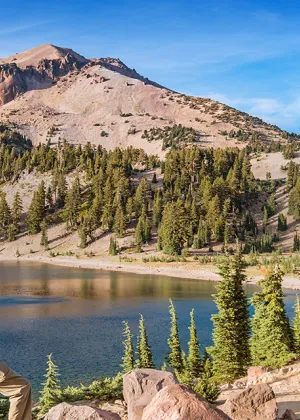
Lassen Volcanic National Park is best known as one of the few places on Earth where all four types of volcanoes—shield, cinder cone, composite, and plug dome—can be found within a single park. Beyond the geothermal features, the park's high alpine lakes, wildflower meadows, and quiet hiking trails make it a favorite for travelers seeking dramatic scenery along with some of the darkest night skies in Northern California for stargazing.
Landmarks: Its centerpiece, Lassen Peak, is the world's largest plug dome volcano and last erupted in the early 20th century, leaving behind a still-active geothermal landscape. Visitors come to see bubbling mud pots, hissing fumaroles, and boiling springs at areas like Bumpass Hell and Sulphur Works, offering a glimpse into ongoing volcanic activity.
Best for: Geothermal wonders, fly-fishing
Nearby towns: Redding, located about 50 miles from the park’s southwest entrance; from the park's southeastern side near Lake Almanor, the town of Chester, about 25 miles from the Warner Valley entrance and Drakesbad Guest Ranch.
- Plan Your Trip: Lassen Volcanic National Park
- Stargazing in Lassen
- Exploring Bumpass Hell
- Guide to the Best Fly-Fishing Spots in Shasta Cascade
Central California National Parks
Pinnacles National Park
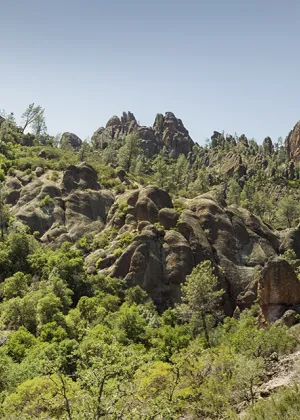
Pinnacles National Park, one of the country's newest national parks (designated in 2013), is best known for its family-friendly pool and the dramatic rock spires and talus caves, remnants of an ancient volcano that erupted more than 23 million years ago and has since eroded into a maze of towering pinnacles.
Landmarks: The park's talus caves, formed by massive boulders wedged into narrow canyons, are home to over a dozen species of bats and offer a cool, cavernous hike unlike anything else in the National Park System. Rock climbers, hikers, and birdwatchers are drawn to its rugged trails, especially in spring, when wildflowers blanket the surrounding hills before summer heat sets in.
Best for: Rock climbing and caving
Nearby towns: Hollister serves as the gateway to the park's East Entrance, located about 30 miles to the southeast; Soledad serves the West Entrance, about 10 miles to the southwest.
- Plan Your Trip: Pinnacles National Park
- Rock Climbing in Pinnacles
- Spying California Condors
- Wildflowers in Pinnacles
Southern California National Parks
Channel Islands National Park
Channel Islands National Park, often called the "Galápagos of North America," protects five rugged, largely undeveloped islands off the Southern California coast near Ventura and Santa Barbara. The surrounding waters teem with marine life, offering some of the best kayaking, snorkeling, and diving on the West Coast, with sea caves, kelp forests, and frequent sightings of dolphins, seals, and migrating gray and blue whales. Anacapa and Santa Cruz, the two most-visited islands, are reachable by a roughly hour-long boat ride from Ventura or Oxnard.
Best for: Kayaking, snorkeling, and camping
Nearby towns: Only two cities offer ferry service to Channel Islands National Park: Ventura and Oxnard.
- Plan Your Trip: Channel Islands National Park
- Channel Islands Whale Watching
- Booking a Ticket on the Channel Island Harbor
Joshua Tree National Park
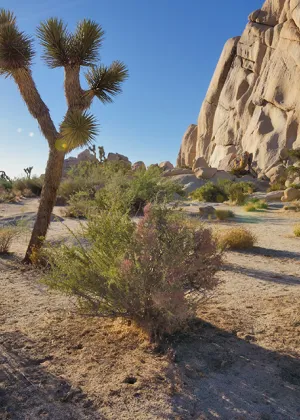
Joshua Tree National Park is best known for its otherworldly desert landscape, where the Mojave and Colorado deserts converge to create a surreal terrain of twisted, spiky Joshua trees and massive, wind-sculpted boulder formations. Beyond the boulders, the park's stark beauty and desert vibe have long attracted artists, musicians, and creatives, cementing its reputation as a hip, offbeat escape from Los Angeles, just a few hours away.
Landmarks: The eerie granite boulder dubbed Skull Rock looks strikingly similar to its namesake and leans just off the Park Boulevard. Slightly more inward sits the Arch Rock, a granite curve found along the Arch Rock Trail.
Best for: Quick getaways (just 2.5 hours from Los Angeles) and stargazing (tie with Death Valley)
Nearby towns: Twentynine Palms sits at the park's North Entrance and is home to the park's official headquarters and the Joshua Tree National Park Visitor & Cultural Center; Yucca Valley anchors the west side, closest to the busy West Entrance, and is home to a California Welcome Center.
Death Valley National Park
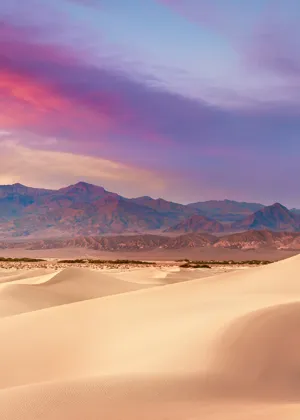
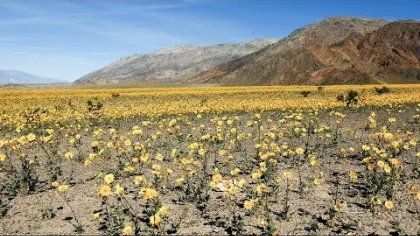
Death Valley National Park is best known for extremes: it's home to the hottest, driest, and lowest point in North America, with Badwater Basin sitting 282 feet below sea level and summer temperatures regularly soaring past 120°F. Spring can bring rare "superbloom" wildflower displays across the desert floor after wet winters, and the park's remote location and minimal light pollution also make it one of the best stargazing destinations in the country. Winter, rather than summer, is the ideal time to visit, when temperatures turn mild and comfortable.
Landmarks: Despite such famous extremes, the park's dramatic landscapes draw travelers year-round, from the golden dunes of Mesquite Flat to the colorful, eroded badlands of Zabriskie Point and the mysterious sailing stones of the Racetrack Playa.
Best for: Surreal landscapes, extremes, and stargazing (tie with Joshua Tree)
Nearby towns: From the west, Lone Pine is located about 95 miles away on Highway 190 (it’s also the gateway to Mount Whitney and the Eastern Sierra), while the town of Beatty, Nevada, serves as the eastern gateway.
Featured National Parks
Use keyboard arrow keys to move through items.
- Things to Do in Yosemite National Park
- Things to Do in Joshua Tree National Park
Things to Do in Joshua Tree National Park
- Exploring Death Valley National Park

Exploring Death Valley National Park
- Things to Do in Sequoia & Kings Canyon National Parks

Things to Do in Sequoia & Kings Canyon National Parks
- Things to Do in Redwood National Park
Things to Do in Redwood National Park
- Things to Do in Death Valley National Park
Things to Do in Death Valley National Park
- Native American Cultural Experiences at National Parks—North

Native American Cultural Experiences at National Parks—North
- Native American Cultural Experiences at National Parks—South
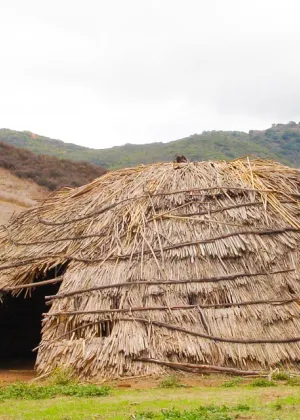
Native American Cultural Experiences at National Parks—South
- Things to Do in Pinnacles National Park
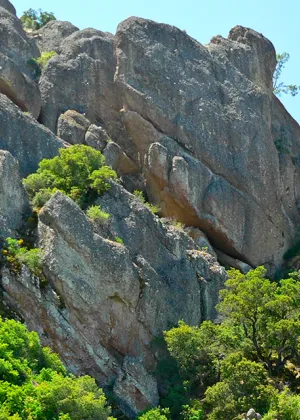
Things to Do in Pinnacles National Park
Explore National Parks
Use keyboard arrow keys to move through items.
- Channel Islands National Park
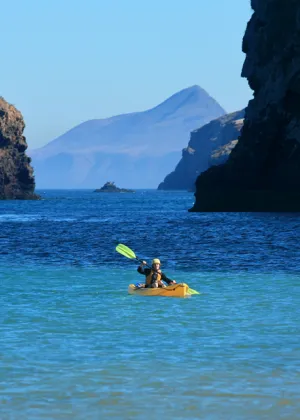
Channel Islands National Park
- Alcatraz

Alcatraz
- Yosemite National Park
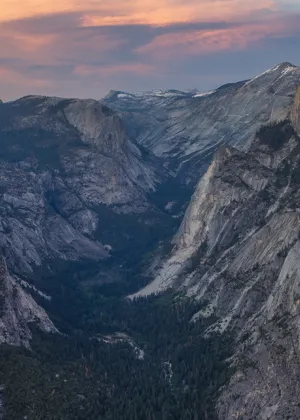
Yosemite National Park
- Sequoia & Kings Canyon National Parks
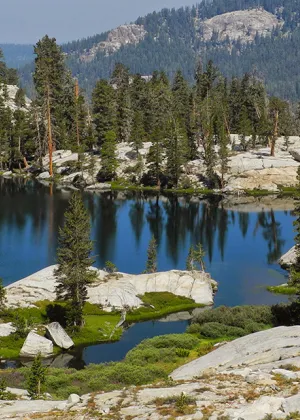
Sequoia & Kings Canyon National Parks
- Death Valley National Park
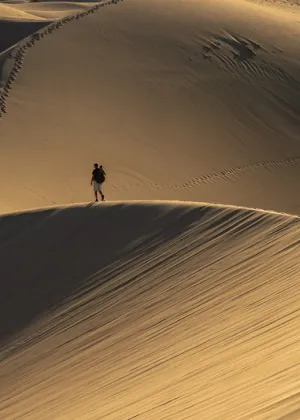
Death Valley National Park
- Point Reyes National Seashore
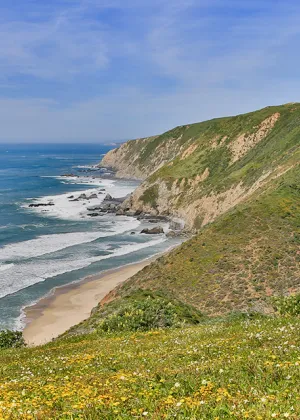
Point Reyes National Seashore
- Joshua Tree National Park
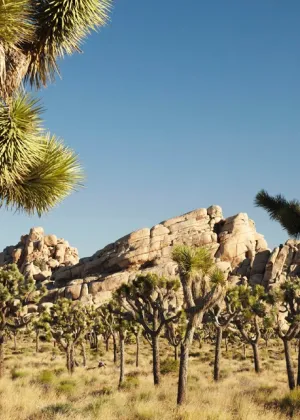
Joshua Tree National Park
- Redwood National & State Parks
Redwood National & State Parks
- Pinnacles National Park
Pinnacles National Park
- Lassen Volcanic National Park
Lassen Volcanic National Park
Events In:
Use keyboard arrow keys to move through items.
- California Wine Month
California Wine Month
September 1–30, 2026 Raise a glass to harvest with winery events across California
- Bracebridge Dinners

Bracebridge Dinners
December 8–18, 2026 Dine amid candlelit pageantry in a beloved Yosemite holiday tradition
Videos
Use keyboard arrow keys to move through items.
Luxury Minute
Cavallo Point: California Luxury Minute Resorts
California 101
Gateways to Yosemite: 5 Amazing Things
California 101
Yosemite National Park

Gameday California
Gameday California: San Francisco Giants
ZOOM: A Magical Ride Around California

California’s Death Valley comes to life in a rare Super Bloom
California 101
Death Valley National Park
California 101
Joshua Tree National Park
Heli-Cool: Henry's Sky-High View of California
Hidden Gems
Shasta Cascade’s Lake Almanor
Podcasts
Use keyboard arrow keys to move through items.

Ways to Play in California
52min

Accessible Adventures Across California
40min

Cheech Marin
39min
Big Sur, Waterfalls, Oakland
23min
California's Epic Natural Wonders
41min
Road Trip: Searching for Stars
39min

Spas, National Monuments, Mission San Juan Capistrano
32min

Sunnylands, Oysters, Free Activities
31min
Butte County, Temecula, San Diego County
32min
Fascinating Road Trips
37min

Subscribe to our Newsletter
Get weekly travel inspiration, sent directly to your inbox!
Interested in upcoming events? Looking for hidden gems? Or tips on planning the ultimate family getaway? We've got that covered, and more.